
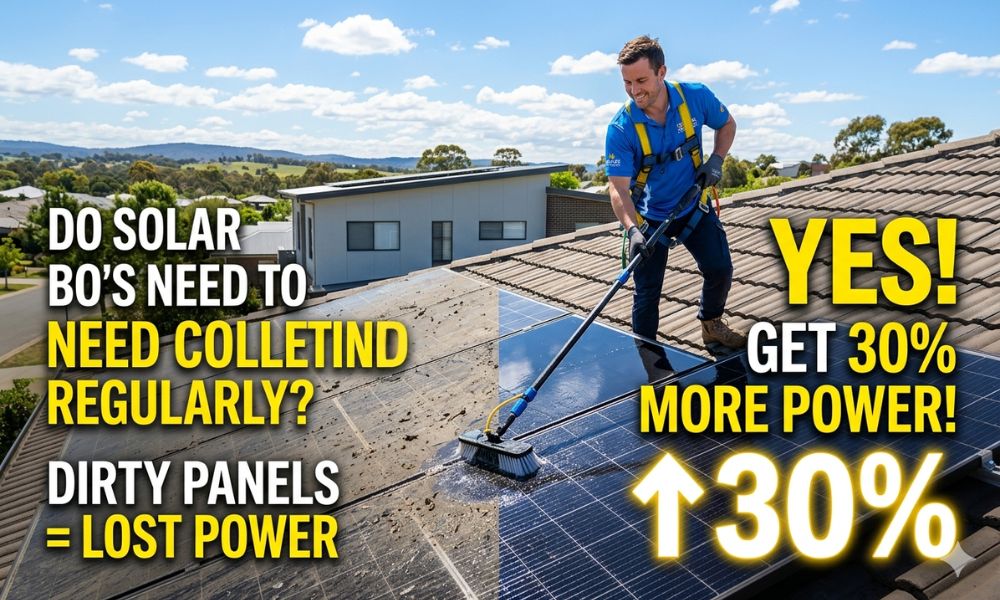
Yes, Solar Panels Need To be Cleaned Regularly at least once a month and 6 to 8 times a year. The cleaning of solar panels totally depends on the particular area where they are installed, such as if solar panels are in a clean, green area, then they get less dust, dirt, debris, and pollen. In that area, we need to clean solar panels only 6 times a year.
On the other hand, if solar panels are installed in a dusty or sandy area like a desert or barren land, then we need to clean them once a month and sometimes after 15 days. In a desert area, solar panels get dirty very soon and generate less solar power, so you need to clean them regularly.
Yes, Solar Panels Need to be Cleaned Regularly to get maximum solar energy all day. According to solar panel companies and studies, clean solar panels generate more energy than dirty solar panels by at least 30% in the world.
How Dirt Affects Solar Panel Efficiency
Dirt and debris can significantly impact how much sunlight reaches your solar cells. Even a thin layer of dust can block sunlight and reduce output.
Common Causes of Dirt Buildup:
- Dust and sand (very common in Pakistan)
- Bird droppings
- Leaves and pollen
- Air pollution and smog
Efficiency Loss:
- Light dust: 5%–10% reduction
- Moderate dirt: 10%–20% reduction
- Heavy buildup: Up to 30% or more
In dusty regions, panels can lose efficiency quickly if not cleaned regularly. This means less power generation and reduced savings.
Key Signs Your Solar Panels Need Cleaning
Visible Dirt, Dust, or Stains on the Surface
One of the easiest ways to know your solar panels need cleaning is by simply looking at them. If you notice a layer of dust, bird droppings, or visible stains covering the surface, it means sunlight is being blocked. Even a thin layer of dirt can reduce the amount of sunlight reaching the solar cells, directly impacting performance.
Drop in Electricity Production
A sudden or gradual decrease in energy output is a strong indicator that your panels may be dirty. If your electricity bills increase or your system generates less power than usual under the same weather conditions, dirt buildup could be the reason. Regular monitoring of your system helps you catch this issue early.
Uneven Performance Between Panels
If some panels in your system are performing better than others, it may be due to uneven dirt accumulation. Shaded or dirtier panels will produce less energy compared to cleaner ones. This imbalance can affect the overall efficiency of your solar system and should not be ignored.
Monitoring System Showing Lower Output
Modern solar systems often include monitoring tools or apps that track performance. If your monitoring system shows a consistent drop in output compared to previous data, it may signal that your panels need cleaning. Keeping an eye on these readings helps ensure your system is operating at its full potential.
How Often Should You Clean Solar Panels?
The cleaning frequency depends on your environment and weather conditions.
General Recommendation:
- Every 3 to 6 months
In Dusty Areas (like many parts of Pakistan):
- Every 1 to 3 months
Factors That Affect Cleaning Frequency:
- Location (urban vs rural)
- Weather (rainfall, storms, dust levels)
- Nearby construction or pollution
- Bird activity
Regular inspection helps you decide the right cleaning schedule.
Best Time to Clean Solar Panels
Timing is very important when cleaning solar panels.
Ideal Time:
- Early morning
- Late evening
Why Avoid Midday?
- Panels are hot and can crack if cold water is applied
- Water dries quickly, leaving stains
Cleaning during cooler hours ensures safety and better results.
Benefits of Regular Solar Panel Cleaning
1. Improved Efficiency
Clean panels absorb more sunlight, producing more electricity.
2. Higher Energy Output
You get maximum power generation from your system.
3. Longer Lifespan
Removing dirt prevents long-term damage.
4. Better Return on Investment
More energy = more savings on electricity bills.
Risks of Not Cleaning Solar Panels
Reduced Electricity Production
When dust, dirt, and debris accumulate on solar panels, they block sunlight from reaching the solar cells. This leads to a noticeable drop in energy generation. Over time, even a thin layer of dust can reduce efficiency, meaning your system produces less electricity than it is capable of.
Permanent Stains on Panels
If solar panels are not cleaned for a long period, certain substances like bird droppings, hard water marks, and pollution can leave permanent stains. These stains are difficult to remove and may affect the appearance as well as the performance of the panels. In some cases, long-term buildup can cause partial shading on the panel surface.
Formation of Hot Spots (Which Can Damage Cells)
Dirty areas on solar panels can cause uneven heating, known as hot spots. These hot spots occur when some parts of the panel receive less sunlight than others, leading to overheating in specific cells. Over time, this can damage the internal components of the panel and reduce its lifespan.
Financial Losses Over Time
When solar panels are not cleaned regularly, reduced efficiency leads to lower energy production. This means higher electricity bills or less savings from your solar investment. In the long run, neglecting maintenance can significantly reduce the return on investment (ROI) of your solar system.
Regular Maintenance is Essential
Keeping your solar panels clean ensures consistent performance, longer lifespan, and maximum energy output. Regular inspection and cleaning help you avoid these risks and protect your investment effectively.
Safe Methods to Clean Solar Panels
1. Manual Cleaning
Manual cleaning is the most common and cost-effective way to maintain solar panels. It is suitable for small to medium-sized residential systems and can be done with basic tools.
Steps:
- Turn off the solar system for safety
- Use a soft brush or sponge to avoid scratching the surface
- Clean the panels with water (preferably low-pressure)
- Gently wipe using a microfiber cloth to remove remaining dirt and water marks
Manual cleaning works best when done during cooler hours to avoid quick water evaporation and streaking.
2. Automatic Cleaning Systems
Automatic cleaning systems are designed to reduce manual effort, especially for large solar installations.
Types include:
- Water-based cleaning brushes
- Robotic cleaners that move across panels
These systems are ideal for commercial setups, solar farms, or installations where frequent manual cleaning is difficult. They help maintain consistent performance with minimal human intervention.
3. Professional Cleaning Services
Hiring professional cleaners is a safe and efficient option, particularly for rooftop systems or hard-to-reach installations.
Benefits:
- Safe and expert handling of panels
- Use of specialized equipment and techniques
- Reduced risk of damage or accidents
Professional services are best suited for larger systems or when you want a thorough cleaning without taking any risks.
What to Avoid While Cleaning Solar Panels
To prevent damage, avoid the following:
- Harsh chemicals or detergents
- High-pressure water sprays
- Cleaning during peak sunlight
- Walking directly on panels
Tips to Reduce Cleaning Frequency
Install Panels at the Correct Tilt Angle (28°–32° in Pakistan)
Installing solar panels at the proper tilt angle helps dust, rainwater, and debris slide off naturally. In Pakistan, a tilt angle between 28° and 32° is generally recommended. This positioning minimizes dirt accumulation and improves self-cleaning through rainfall.
Use Anti-Dust Coatings
Anti-dust or hydrophobic coatings can be applied to solar panels to reduce the adhesion of dust and dirt. These coatings make the surface smoother, allowing particles to slide off more easily and reducing how often manual cleaning is required.
Keep the surroundings clean
The area around your solar panels plays an important role in keeping them clean. Regularly cleaning nearby rooftops, removing debris, and avoiding dusty surroundings can significantly reduce the amount of dirt settling on the panels.
Trim Nearby Trees
Overhanging branches can drop leaves, sap, and bird droppings onto your panels. Trimming nearby trees helps prevent shading and minimizes organic debris buildup, which can otherwise stick to the panel surface and require frequent cleaning.
Inspect Panels Regularly
Routine inspection allows you to detect dirt buildup early. By checking your panels every few weeks, you can identify minor issues before they become major problems, helping you maintain efficiency while reducing the need for frequent deep cleaning.
Final words:
Yes, Solar Panels Need To be Cleaned Regularly at least once a month and 6 to 8 times a year. The cleaning of solar panels totally depends on the particular area where they are installed, such as if solar panels are in a clean, green area, then they get less dust, dirt, debris, and pollen. In that area, we need to clean solar panels only 6 times a year.
On the other hand, if solar panels are installed in a dusty or sandy area like a desert or barren land, then we need to clean them once a month and sometimes after 15 days. In a desert area, solar panels get dirty very soon and generate less solar power, so you need to clean them regularly.